Iron Heart Denim at Mildblend: Why Chicago Denim Lovers Cannot Get Enough of the World's Toughest Jeans
Most jeans are built to a price point. A fabric that looks fine for a year or two. Stitching that holds together long enough to get past the return window. Hardware that feels solid in the store and loose six months later.
Iron Heart denim is built to none of those standards. Iron Heart is built to outlast everything else in your wardrobe.
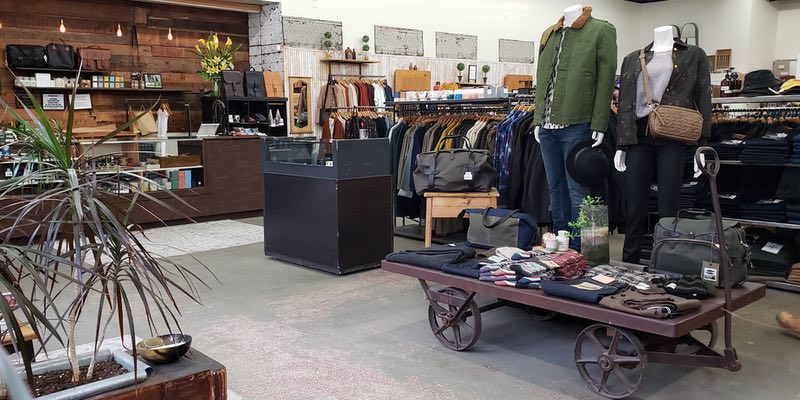
At Mildblend Supply Co in Wicker Park, Chicago we have been carrying iron heart denim since our founding in 2009. In over 15 years of selling premium Japanese denim to Chicago customers, Iron Heart remains one of the most talked about, most respected and most sought after brands we carry in our entire collection.
What Is Iron Heart Denim?
Iron Heart is a Japanese clothing brand founded in 2003 by Shinichi Haraki. Before starting Iron Heart, Haraki spent 20 years in the Japanese garment industry. He started as a pattern maker for Edwin, one of Japan's most respected denim manufacturers and worked his way up to designer and producer before deciding to start something of his own.
His goal was not to make another denim brand. His goal was to make the most durable, most over-engineered denim clothing that could possibly be produced. Designed originally for the Japanese motorcycling community. Built to protect riders who needed clothing tough enough to handle a bike and still look exceptional off it.
In 2005, Giles Padmore joined the partnership bringing an international focus that turned Iron Heart from a respected Japanese brand into a global phenomenon with a loyal following across the USA, Europe and beyond.
Their unofficial tagline says everything you need to know. "Over-engineered is our starting point."
Why Iron Heart Denim Is Different From Everything Else
Most denim brands top out at 12oz or 13oz fabric. That is considered heavy by mainstream standards. Iron Heart starts where most brands stop.
Iron Heart selvedge denim : Ranges from 14oz at the entry level all the way up to a 25oz XHS extra heavy selvedge that sits at the absolute limit of what can actually be woven and sewn. That 25oz fabric is not just heavy. It is genuinely at the engineering limit of what denim production is capable of. But weight is not the whole story. Here is what makes every piece of iron heart clothing genuinely different:
-
Selvedge construction : Every pair of Iron Heart jeans is woven on narrow shuttle looms producing a self-finished edge that prevents fraying and creates a tighter, denser fabric than standard denim. Iron heart selvedge denim is woven to tolerances that mass market brands never come close to.
-
Ethical manufacturing : Every piece of iron heart clothing is made in Japan to ethical manufacturing standards. Not outsourced. Not optimized for cost. Made properly by people who care about the result.
-
Felled internal seams : Iron Heart jackets and jeans feature felled internal seams, a construction technique that creates stronger, flatter seams that hold up to genuine wear far better than standard stitching.
-
Sanforized fabrics :Most Iron Heart pieces are sanforized and one-washed, meaning you can expect little to no shrinkage after purchase. You get what you see.
-
Hardware built to last :The buttons, rivets and zippers on Iron Heart pieces are specified and tested to the same over-engineered standard as the fabric itself.
The Iron Heart Denim Range at Mildblend
Iron Heart Jeans
The iron heart jeans collection at Mildblend covers multiple weights and cuts. Here is what that looks like in practice.
The IH-634S is one of the most iconic pieces in the entire Iron Heart lineup. 21oz straight cut iron heart selvedge denim in indigo. A cut that works on almost every body type. A weight that feels substantial from day one and only gets better as it ages and fades over time.
Selvedge jeans from Iron Heart develop fades that are deeply personal. The creases, whiskers and honeycombs that form on heavyweight selvedge are determined entirely by the person wearing them. How you walk. How you sit. How you fold. No two pairs age the same way. That is the whole point.
For those who want something lighter the 14oz range offers the same Iron Heart construction standards in a more wearable everyday weight. Still heavier than most denim on the market. Still built to the same Iron Heart standard. Just more accessible for warmer weather or everyday wear.
Iron Heart Jackets
Iron Heart jackets are built on the same heavyweight selvedge philosophy as the jeans. The IH-526J is a 14oz indigo black iron heart selvedge denim Modified Type III jacket. Longer body than a standard Type III. Side pockets that create two inner pockets. Selvedge placket and cuff details. Felled internal seams. Sanforized and one-washed.
This is what a denim jacket looks like when it is engineered to last decades rather than seasons.
Iron Heart Flannel
Iron Heart flannel shirts bring the same heavyweight philosophy to shirting. Heavy cotton flannels in classic patterns built to the kind of standard that most shirt brands simply cannot justify at a mainstream price point.
If you have ever owned a flannel shirt that pilled after a season or felt thin and cheap after a few washes you will understand immediately what makes Iron Heart flannel different the first time you hold one.
Who Wears Iron Heart?
Here is something worth knowing. Iron Heart was designed for bikers. But the people who wear it are everyone.
Haraki himself described the customer base simply. Bikers and everyone else who cares about quality. That is exactly who we see at Mildblend too. What they all share is the same thing. They are done buying things twice.
At Mildblend in Wicker Park we see exactly this. Our iron heart denim customers include architects, artists, engineers, teachers, creatives and yes some actual motorcyclists. What they share is an appreciation for clothing that is built properly. That will outlast everything else they own. That gets better with age rather than worse.
If you care about quality over branding, about construction over marketing, about owning fewer and better things, Iron Heart is for you.
Why Buy Iron Heart Denim at Mildblend Supply Co Chicago?
There are a few places in Chicago where you can find iron heart jeans. Here is why Mildblend is the right one.
Mildblend was founded in 2009 by Luke Cho in Wicker Park with a specific mission. To celebrate timeless, well-constructed clothing that evolves with age. A blend of Japanese raw denim and durable American-made goods.
Luke built Mildblend around education. Our staff are trained to know the backstory and technical details of every item we sell. When you come into Mildblend to look at iron heart clothing you are not talking to a commission-based salesperson.
You are talking to someone who genuinely understands the difference between a 14oz and a 21oz selvedge, who can explain what felled seams mean and why sanforized matters, and who can help you find the right cut for your body and your lifestyle.
We also offer denim services that most retailers do not. Chain-stitch hemming is personally overseen by Luke Cho which means your Iron Heart jeans are hemmed the right way from day one. Denim repair means they stay with you for decades rather than getting retired.
And free shipping with a $200 purchase to the lower 48 states means the full Mildblend Iron Heart collection is accessible nationwide.
The Iron Heart Denim Buying Guide for Beginners
Never bought heavyweight selvedge jeans before? Here is what to know.
Start with the right weight for your lifestyle. 14 oz is an excellent entry point. Substantial but wearable year round. 21oz is for serious denim heads who want maximum fade development and do not mind the break-in period. 25 oz is for the truly committed.
Expect a break-in period. Heavyweight raw iron heart selvedge denim is stiff when new. That stiffness softens with wear. The first month feels different from the sixth month which feels different from the second year. That evolution is part of what you are buying.
Wear them as much as possible. The fades on heavyweight selvedge jeans develop through wear not through washing. The more you wear them the better they get.
Size down if in doubt. Raw selvedge stretches with wear. Mildblend's how-we-measure guide at mildblend.com/pages/how-we-measure will help you find the right size for your specific cut.
Get them chain-stitched. Chain-stitch hemming gives the hem the same character as the rest of the jean as it wears and fades. Standard hemming does not. At Mildblend we do this right.
Frequently Asked Questions
1. What makes Iron Heart denim different from regular jeans?
Iron Heart denim is manufactured in Japan using heavyweight selvedge fabric woven on narrow shuttle looms. Weights range from 14oz to 25oz — significantly heavier than standard mass-market denim. Every piece of iron heart clothing features ethical Japanese manufacturing, felled internal seams, sanforized fabrics and hardware specified to the same over-engineered standard as the fabric.
2. What are iron heart selvedge jeans and why does selvedge matter?
Iron heart selvedge denim is woven on narrow shuttle looms that produce a self-finished edge on both sides of the fabric. This creates a denser, tighter weave than standard denim and prevents fraying at the fabric edge. Selvedge jeans from Iron Heart develop distinctive fades over time that are unique to the wearer. The heavier the fabric the more dramatic and long-lasting the fade development.
3. What iron heart clothing does Mildblend carry in Chicago?
Mildblend Supply Co in Wicker Park, Chicago carries a curated selection of iron heart clothing including iron heart jeans in multiple weights and cuts, iron heart denim jackets, Iron Heart flannel shirts and seasonal pieces.
4. What is the difference between 14oz and 21oz iron heart denim?
14oz is Iron Heart's lightest weight selvedge denim and is described by the brand as the least heavy fabric they use for jeans and jackets. It is more wearable year round and breaks in faster. 21oz like the IH-634S is a significantly heavier and stiffer fabric that develops more dramatic fades over a longer period.
5. Does Mildblend offer services for Iron Heart jeans?
Yes. Mildblend Supply Co offers chain-stitch hemming personally overseen by founder Luke Cho at mildblend.com/collections/chain-stitch-hemming and denim repair services at mildblend.com/collections/denim-repair. Chain-stitch hemming is strongly recommended as it allows the hem to develop fads consistent with the rest of the jean over time.
Shop Iron Heart Denim at Mildblend Supply Co Today
Some jeans last a season. Some last a few years. Iron Heart denim lasts decades.
That is not marketing at all. This is what happens when someone spends 20 years learning how clothing is made and then decides to do it properly
At Mildblend Supply Co in Wicker Park, Chicago we have been carrying Iron Heart since 2009 because it represents exactly what this store was built around. Timeless, well-constructed clothing that evolves with age and never needs replacing.
Browse the full iron heart denim collection at mildblend.com/collections/iron-heart or visit us in Wicker Park, Chicago.
Free shipping on orders over $200 to the lower 48 states. Sign up at mildblend.com for 10% off your first purchase.
Your wardrobe does not need more jeans. It needs better ones.


Pure Blue Japan Denim at Mildblend: What Makes These Jeans Worth Every Penny
Ken-ichi Iwaya founded Pure Blue Japan in 1997 in Kurashiki City, Okayama Prefecture , a region whose relationship with denim production extends across several decades and whose manufacturers remain among the most respected in the world.


Pure Blue Japan vs Samurai Jeans vs Full Count: Which Japanese Denim Is Right for You?
Three brands. Three distinct philosophies. All made in Japan, all working in selvedge denim, all producing results that mass-market cloth cannot approximate. The question is not which one is best it is which one is right for you.
Pure Blue Japan, Samurai Jeans, and Full Count denim each represent a different answer to the same question: what should a great pair of jeans ultimately be? Learning what separates them will help you spend your money wisely.
The 3 Brands: A Considered Overview
Before going deeper on each, here is where they stand in relation to one another.
-
Pure Blue Japan begins with indigo. The fabric sits at the centre of everything the brand produces. Texture, fading, and dyeing are not supporting details. They are the foundation.
-
Samurai Jeans approaches denim through weight and construction. The emphasis is on density, durability, and the kind of details that reveal themselves over years rather than weeks.
-
Full Count takes a different view. Its focus has always been faithful reproduction. Vintage American denim remains the reference point, executed with exceptional materials and precision.
Each starts from a different premise. Unsurprisingly, each arrives at a very different expression of Japanese denim.
Three starting points. Three very different destinations.
Pure Blue Japan: The Indigo Standard
Founded in Kojima, Kurashiki in 1997 by Kenichi Iwaya, Pure Blue Japan has built its reputation around one thing: indigo.
The company's name, Syoaiya, translates to "indigo dyer." That identity has shaped the brand from the beginning.
Pure Blue Japan fabrics are woven on vintage shuttle looms using a low-tension weaving method. The result is a cloth with noticeable texture and irregularity. The surface feels alive. Every crease, ridge, and variation contributes to the character of the fabric.
That texture becomes even more apparent with wear.
Like many traditional Japanese denims, the indigo is rope-dyed onto the warp yarns before weaving. The dye remains concentrated near the surface of the yarn rather than penetrating all the way through. Over time, wear gradually exposes the lighter core beneath.
The fading process is one of the defining characteristics of Pure Blue Japan denim.
The brand's sashiko-inspired fabrics and specialty textiles push that identity further. Traditional Japanese textile influences appear throughout the collection, often in subtle ways. The result feels rooted in craft rather than nostalgia.
Among the key models available at Mildblend is the XX-003, a 14oz regular straight that remains one of the clearest expressions of the brand's approach to classic indigo denim.
The SLB-019 offers a different perspective. Its slub selvedge fabric and relaxed tapered fit have made it one of the most sought-after contemporary Pure Blue Japan styles.
Prices generally range between $300 and $365.
For many enthusiasts, Pure Blue Japan represents one of the most compelling studies of indigo currently being produced.
The fabric is not simply part of the experience. It is the experience.
Shop Pure Blue Japan at Mildblend.
Samurai Jeans: Weight as Philosophy
Samurai Jeans was founded in Osaka in 1997 by Toru Nogami.
The samurai influence is more than branding. It appears in the construction, the materials, and the uncompromising philosophy behind the product.
Everything feels deliberate.
Samurai denim is known first for its weight. The brand's flagship S510XX, its interpretation of the classic five-pocket straight jean, is available in several weights including 15oz, 19oz, and 21oz. Limited releases often push beyond that.
The S510XX21oz has become one of the defining heavyweight denims in the market.
Woven from a blend of American and Australian cotton, the fabric is dense, heavily textured, and demanding from the first wear.
It asks for patience.
The reward is exceptional depth, contrast, and character as the denim ages.
Construction details receive the same level of attention.
Iron sunrise buttons. Copper coin-shaped rivets. Jacquard pocket bags carrying the phrase "Syogyomujo", all things must pass. Leather patches produced in goatskin or sheepskin.
None of it feels excessive. Each detail reinforces the brand's identity.
Samurai also cultivates its own cotton in Hyogo Prefecture, a level of vertical integration rarely seen within the industry.
Few brands pursue denim with quite the same intensity.
For those willing to embrace heavyweight fabric and a longer break-in period, Samurai offers one of the most distinctive experiences in Japanese denim.
Shop Samurai Jeans at Mildblend.
Full Count: The Honest Jean
Founded in Okayama in 1992 by Mikiharu Tsujita, Full Count is the oldest brand in this comparison. It is also one of the original members of the Osaka Five, the group of Japanese denim makers that helped define the modern selvedge landscape.
From the beginning, Tsujita's goal was simple. Create the best possible version of a vintage American jean.
Not a reinterpretation. Not a modern update. A faithful recreation built with the finest materials available.
This belief guides the brand even today. The defining material is Zimbabwe cotton.
Full Count was the first Japanese denim maker to adopt hand-picked long-staple Zimbabwe cotton in 1992. More than three decades later, it remains one of the brand's most distinctive choices.
The difference is immediately noticeable.
Where many raw denims feel rigid and demanding, Full Count feels remarkably comfortable from the start. The fabric is soft, breathable, and easy to wear without sacrificing durability or fade potential.
It is one of the rare denims that balances comfort and authenticity equally well.
The brand's most recognised fit is the 0105. Inspired by a 1953 Levi's silhouette owned by Tsujita himself, the 0105 features a wide, high-rise straight leg that reflects the proportions of mid-century American workwear.
The standard version comes in at 13.7oz. The 0105XXW increases that to 15.5oz.
Neither feels excessively heavy. That is intentional.
Full Count has always argued that denim should feel substantial, but never burdensome. The fabric should serve the wearer rather than challenge them.
For many enthusiasts, it remains one of the purest expressions of vintage-inspired Japanese denim available today.
Side by Side
|
Pure Blue Japan |
Samurai Jeans |
Full Count |
|
|
Founded |
1997, Kojima |
1997, Osaka |
1992, Okayama |
|
Signature cloth |
Deep indigo slub selvedge |
Heavyweight slubby selvedge |
Zimbabwe cotton selvedge |
|
Weight range |
10oz–18oz |
15oz–25oz+ |
11.5oz–15.5oz |
|
Fade character |
Dramatic, high-contrast, textured |
Bold, slow-building, extreme contrast |
Clean, precise, vintage-accurate |
|
Fit sensibility |
Contemporary Japanese |
Classic straight |
Vintage American |
|
Entry price at Mildblend |
~$300 |
Mid–high tier |
~$280 |
Which One?
Choose Pure Blue Japan if fabric is your primary interest. Only a Few brands explore texture, indigo, and fading with the same level of focus. The slubby surface and deep dye saturation create a character that becomes more distinctive with time.
Choose Samurai Jeans if construction and durability sit at the top of your list. The brand's heavyweight fabrics are among the most substantial in Japanese denim. Models like the S510XX 21oz require commitment but they offer an experience that few other jeans can replicate.
Choose Full Count if you appreciate restraint. The combination of Zimbabwe cotton, vintage-inspired fits, and thoughtful construction creates a denim experience that feels effortless. The 0105 remains one of the most approachable entries into serious Japanese denim and one of the most rewarding long-term ownership experiences.
All three are available at Mildblend Supply Co free shipping on orders over $200 to the lower 48 states.
Frequently Asked Questions
Which is the best first purchase in Japanese selvedge denim?
Full count jeans are the most accessible starting point comfortable from the first wear, precise in construction, and available in a silhouette that requires no adjustment to how most people already dress.
What makes Pure Blue Japan sashiko pieces distinct?
Pure Blue Japan sashiko-influenced pieces incorporate traditional Japanese weaving and stitching techniques directly into the selvedge construction.
What weight is the Samurai Jeans S510XX?
The Samurai Jeans S510XX is available in 15oz, 19oz, and 21oz, with limited editions beyond that. The 15oz is the most wearable across all seasons.
Is the Full Count 0105 true to size?
The one-wash fullcount 0105 measures close to true size. The unsanforized version will shrink on first contact with water most wearers size true and soak before wearing to control that contraction.
Where can I buy all three brands in the United States?
All three pure blue japan jeans, samurai jeans, and full count selvedge jeans are stocked at Mildblend Supply Co.


Best Japanese denim brands explained.
Japanese denim isn’t just “nice jeans”—it’s a whole subculture built on craftsmanship, vintage machinery, and obsessive attention to detail. The best brands differ in fabric texture, fit philosophy, and how “hardcore” they are (entry-level vs enthusiast).
Below is a clean breakdown of the most important Japanese denim brands—and what makes each one special.
🇯🇵 Core Japanese Denim Brands (Explained)
1. Pure Blue Japan — texture kings
- Known for: extreme slub (uneven texture) and deep indigo
- Fabric: Rough, hairy, very “alive”
- Vibe: Artisan, almost hand-made feel
- Best for: People who want dramatic fades
Example:
- Pure Blue Japan Double Slub Selvedge Jeans
👉 If you want jeans that look unique even brand new, this is top-tier.
2. Iron Heart — heavy-duty legends
- Known for: ultra-heavy denim (14oz–25oz+)
- Fabric: Dense, durable, smooth fades
- Vibe: Motorcycle/workwear rugged
- Best for: Longevity + toughness
Example:
- Iron Heart 14oz Selvedge Denim Jeans
👉 These are tanks. Hard to break in, but last forever.
3. Samurai Jeans — bold & traditional
- Known for: high-contrast fades + unique detailing
- Fabric: Textured but structured
- Vibe: Loud heritage (often flashy arcs, stitching)
- Best for: Denim enthusiasts who want personality
👉 Think “heritage denim with attitude.”
4. Momotaro — clean & refined
- Known for: signature “battle stripes” and premium construction
- Fabric: Smooth, high-quality Zimbabwe cotton
- Vibe: Minimal but prestigious
- Best for: Subtle luxury denim
👉 Often called the “Rolex of Japanese denim.”
5. Big John — the original OG
- Known for: being one of the first Japanese denim brands (1960s)
- Fabric: Classic, balanced
- Vibe: Traditional, no gimmicks
- Best for: Authentic history
Example:
- Big John Koiai Selvedge Jeans
6. Naked & Famous — experimental outsider
- Actually Canadian, but uses Japanese fabrics
- Known for: weird fabrics (glow-in-the-dark, super heavy, etc.)
- Fabric: Varies wildly
- Vibe: Fun, modern, experimental
- Best for: Entry point into raw denim
Example:
- Naked & Famous Weird Guy Selvedge Jeans


Eat Dust Denim Now Available at Mildblend Supply
Eat Dust is a Belgian denim brand founded in 2010 by longtime friends Rob Harmsen & Keith Hioco in the city of Antwerp.
Both were raised on a diet of skateboarding and a healthy dose of punk rock, which instilled a DIY attitude in them.With years of experience in the fashion world – including work for brands as varied as Raf Simons, Essentiel, Diesel, G-Star and Lee – they decided the time was right to venture out on their own.
At the heart of Eat Dust lies Rob & Keith’s headstrong and rebellious nature. They merge classic menswear and their love for denim with a wide range of influences, drawing from old Western styles, military wear, Americana, motorcycling, skateboarding and musical subcultures. Always with an open mind and a need to push forward. The result is a contemporary lifestyle brand with an outspoken attitude.
Eat Dust was founded on the principle of an uncompromising vision and the pursuit of quality, integrity and originality. This includes taking a stand against many of the appalling practices of today’s fashion industry. All production, sourcing and fabric development is retained in Europe, because Eat Dust attaches great importance to craftsmanship, tradition, expertise, human dignity and respect. Plus, proximity makes working together a lot easier.


Studio D'Artisan
Shigeharu Tagaki founded Studio D'Artisan in Osaka, Japan in 1979. Tagaki was a designer who studied in France and was influenced by French and American workwear.
Studio D'Artisan is one of the original five Japanese denim companies known as the "Osaka Five".
Studio D'Artisan is known for its focus on the unique stiffness, unevenness, fading, and texture found in old-fashioned denim.


Iron Heart Denim is Heavy Weight
Shinichi Haraki established The Works Inc and the Iron Heart brand in 2002. After 20 years of working in the garment industry in Japan, beginning as a pattern maker for Edwin and advancing to designer and producer/director for the company, he decided to combine his wealth of experience with his passion for motorbikes and create his own clothing brand, with a focus on heavyweight denims and durable fabrics, designed for and aimed at the Japanese motorcycling community. 


Samurai Jeans
Samurai Jeans is a Japanese denim brand renowned for its high-quality, heavyweight selvedge jeans, often featuring heavy-ounce denim, unique textures, and intricate details inspired by traditional samurai imagery, including a distinctive silver thread on the selvage representing a samurai sword's gleam; the brand is known for its exceptional craftsmanship and focus on premium materials, making their jeans highly sought after by denim enthusiasts.
Toru Nogami founded Samurai Jeans in Osaka, Japan in 1997.
- Samurai jeans are known for their extreme attention to detail.
- They feature a flash of silver thread woven into the selvage, a callback to the glint of samurai swords.


Why Japanese denim is better and superior.
Japanese denim is better due to better cotton and weaved in shuttle loom.


Hiroshi Kato Trunk Show
Come Join Us This November 8th and Nov. 9th for Hiroshi Kato Trunk Show
at Our Brick and Mortar Shop in Wicker Park.
First 100 Customers Will Receive Kato Denim Shampoo.


Shangri-La Heritage Leather Goods
The legend was born in the 17th Century, as the first European travelers explored Tibet, and tells of “Shangri-La” as a mythical valley, a mysterious and unreachable place, which evokes pure human desire and deep spirituality.
The name retraces the dream for explorations on motorcycles hunting for beautiful and forgotten spots, in a word, searching for the Shangri-La.
Heritage comes from the need to create iconic and timeless garments, inspired by the past.
Designed for Bikers, Rockers and Gentlemen.


Big John Jeans Oldest Japanese Denim Brand
The oldest Japanese denim brand in Japan is arguably BIG JOHN.
Established in 1940, BIG JOHN is renowned for its high-quality heavy onz denim and is considered one of the pioneers of the Japanese denim industry. Known for their top-notch denim products that combine superb quality with meticulous craftsmanship, BIG JOHN jeans have earned a loyal following among denim aficionados worldwide.

BIG JOHN uses premium denim sourced from Japan. The denim is often raw or selvedge, known for its durability and unique aging characteristics.
The choice of materials,like the brown selvage and original cotton yarn, adds to the uniqueness of the jeans. The use of vintage iron buttons and the intentional aging of buttons further enhances the authenticity and character of the garment.